Keep your pool filter clean, efficient, and working properly.
Your pool filter plays an important role in keeping your water clean, clear, and enjoyable. Every time your circulation system runs, the filter helps remove dirt, pollen, oils, debris, and other small particles that can make their way into the pool.
But like any other part of your pool system, the filter needs regular attention. Cleaning it too infrequently can reduce water quality and put extra strain on your equipment, while replacing it too soon can mean spending money on a component that still has plenty of life left.
So how often should you clean your pool filter, and how do you know when it is time for a replacement? Understanding the signs can help you maintain better water quality and keep your entire pool system running efficiently.
Why Your Pool Filter Matters
Your pool filter continuously works to remove unwanted particles from the water. While chemicals help sanitize the pool, the filtration system physically captures many of the contaminants that enter the water.
A properly maintained filter can help keep the water clear while supporting proper circulation. When the filter becomes dirty or clogged, the system may have to work harder to move water through it.
That makes regular filter care an important part of overall pool maintenance.
How Often Should You Clean Your Pool Filter?
There is no single schedule that works for every pool. How frequently your filter needs cleaning depends on the type of filter you have, how often the pool is used, the surrounding landscape, weather conditions, and the amount of debris entering the water.
As a general rule, your filter should be checked regularly rather than waiting until the water becomes cloudy or circulation begins to suffer.
You may need more frequent pool filter cleaning if your pool experiences:
- Heavy swimming activity
- Frequent storms or heavy rainfall
- Large amounts of leaves, pollen, or outdoor debris
- Nearby landscaping or mature trees
- Algae or water quality problems
Checking the filter pressure and following the manufacturer’s recommendations can help you determine when cleaning is needed.
Signs Your Pool Filter Needs Cleaning
Your pool may give you several clues when the filter needs attention. Recognizing these signs early can help prevent the filtration system from becoming overloaded.
- Cloudy or hazy water despite otherwise proper chemical levels
- Reduced water circulation through the return jets
- Higher-than-normal filter pressure
- Longer filtration times needed to keep the water clear
- Visible debris or buildup inside the filtration system
If you notice these issues, cleaning the filter may restore proper water flow and filtration. However, recurring problems could indicate that the filter itself is nearing the end of its useful life.
Different Filters Need Different Care
Not all pool filters are maintained in the same way. The three most common types are cartridge filters, sand filters, and diatomaceous earth filters.
Cartridge filters can typically be removed and rinsed to clear away accumulated debris. Eventually, the cartridge material can become worn or damaged and require replacement.
Sand filters are generally cleaned through a process called backwashing, which reverses the water flow to remove trapped contaminants from the filter media.
Diatomaceous earth filters require regular maintenance to remove accumulated debris and replenish the filtration material when necessary.
Because each system has different maintenance requirements, it is important to follow the manufacturer’s recommendations for your specific equipment.
When Is Pool Filter Replacement Necessary?
Cleaning your filter can extend its useful life, but no filter lasts forever. Eventually, the filter media or components can become too worn to provide effective filtration.
Signs that you may need pool filter replacement include recurring cloudy water, damaged filter components, persistent pressure problems, or a filter that no longer performs effectively after cleaning.
For cartridge systems, the filter material may become brittle, torn, or permanently discolored. Sand and other filter media can also become less effective over time.
Replacing a worn filter at the right time can help improve filtration and prevent your pool equipment from working harder than necessary.
Why Regular Pool Equipment Maintenance Matters
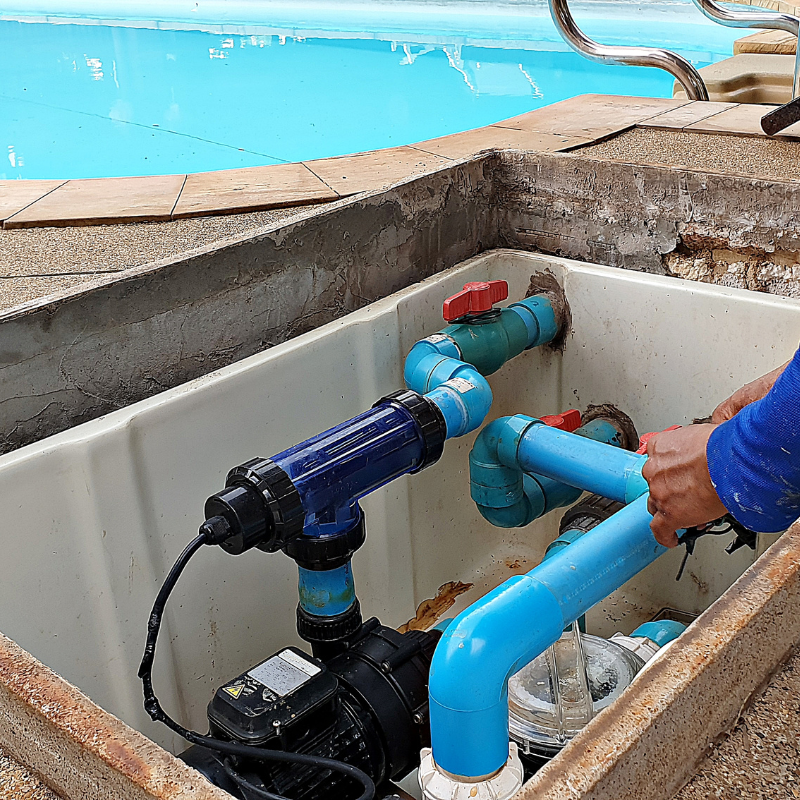
Your pool filter is only one part of a larger circulation and filtration system. The pump, valves, plumbing, skimmer, and other components all work together to keep water moving properly.
That is why pool equipment maintenance should go beyond simply cleaning the filter. Regular inspections can help identify leaks, unusual noises, pressure problems, worn components, and other issues before they become larger repairs.
Keeping the entire system maintained can also help your equipment operate more efficiently and support better water quality.
How Pool Cleaning Can Help Your Filter
The amount of debris entering your pool can directly affect how hard your filtration system has to work. Leaves, dirt, pollen, insects, and other contaminants can quickly accumulate, particularly after storms or during seasons with heavy outdoor debris.
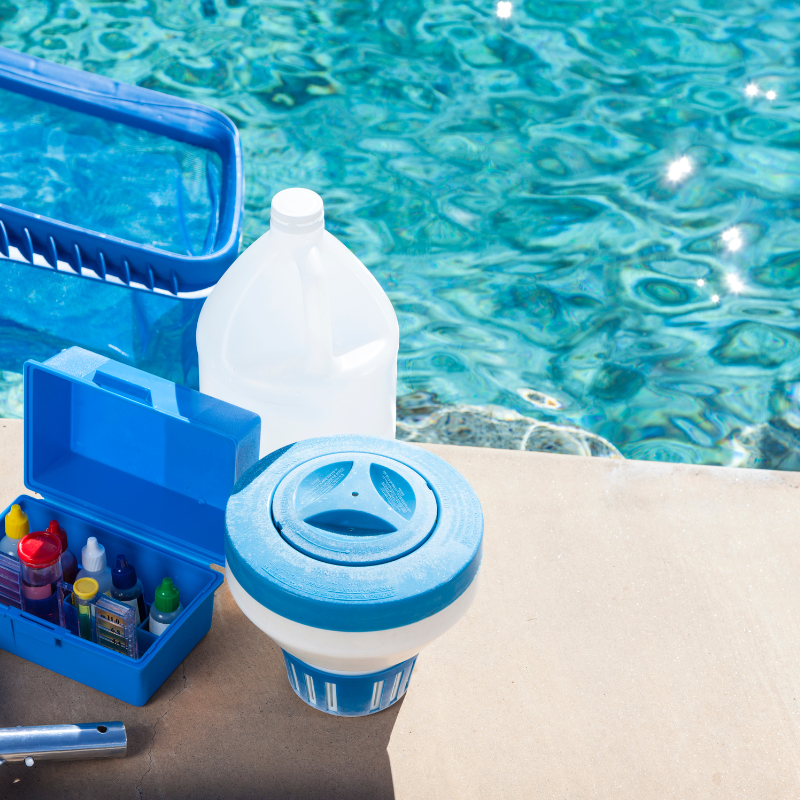
Regular skimming, brushing, vacuuming, and basket cleaning can help reduce the workload placed on your filter. Keeping the pool itself clean is an important part of maintaining the entire circulation system.
If you do not have the time to keep up with routine cleaning, a professional pool cleaning service can help keep debris under control and make it easier to maintain consistent water quality.
Do Not Wait Until the Water Turns Cloudy
One of the easiest mistakes pool owners can make is waiting for an obvious problem before checking the filter. Cloudy water, poor circulation, or unusual pressure can be signs that the system has already been working harder than it should.
Routine filter checks allow you to identify potential issues earlier. Instead of reacting to a water quality problem, you can take preventative steps to keep the system operating properly.
A consistent maintenance routine can also help you determine whether your filter needs a simple cleaning or whether it may be time for a replacement.
Keep Your Pool Filtration System Working Properly
There is no universal schedule for cleaning or replacing a pool filter. The right timing depends on your filter type, pool usage, surrounding environment, and the condition of your equipment.
Helpful habits include:
- Checking your filter regularly
- Cleaning the filter according to the manufacturer’s recommendations
- Monitoring filter pressure
- Keeping skimmer and pump baskets clean
- Removing leaves and debris from the pool
- Watching for signs of poor circulation
- Replacing worn or damaged filter components when necessary
Consistent filter care is an important part of protecting your pool and keeping the water clean and clear throughout the swimming season.
Get Professional Help With Your Pool Filter
Knowing whether a filter needs cleaning, repair, or replacement is not always easy. If your pool water remains cloudy, circulation seems weak, or your filter continues to show signs of trouble after cleaning, professional service can help identify the underlying problem.
A professional can evaluate the filter, pump, circulation system, and other equipment to determine what your pool needs. Regular service can also help catch potential problems before they turn into more expensive repairs.
Need help keeping your pool filter and equipment in top condition? Contact us today to schedule professional pool service and keep your pool clean, clear, and ready to enjoy.