
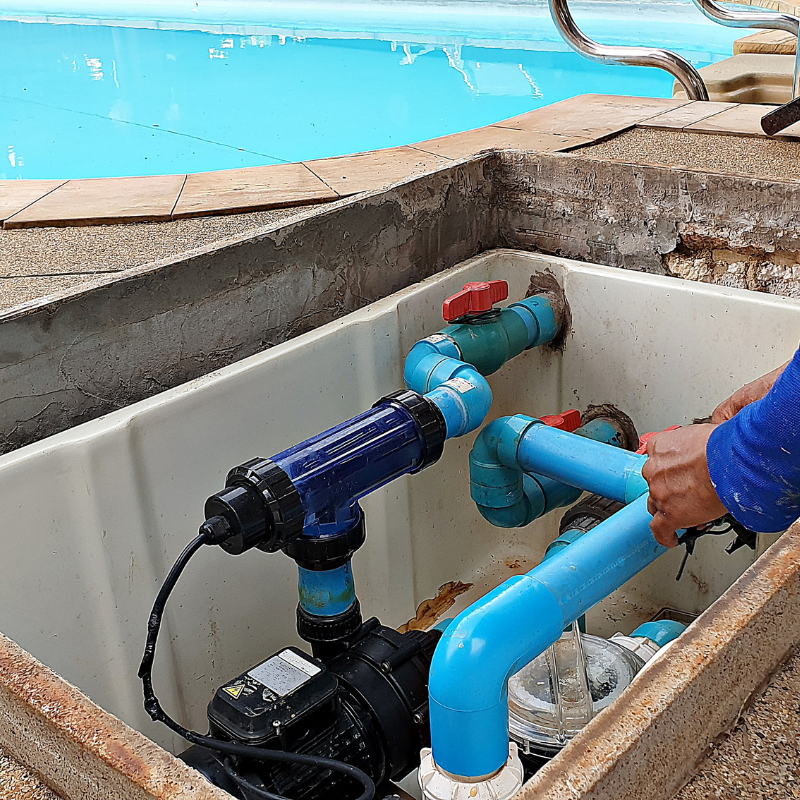

Understand what different pool pump noises mean, what causes them, and when professional service can help prevent bigger equipment problems.
Your pool pump plays an important role in keeping your swimming pool clean, clear, and properly circulated. It helps move water through the filtration system, distributes pool chemicals, and keeps everything running as it should. But when your pump suddenly starts making unusual noises, it can be a sign that something is not working correctly.
Some pool pumps produce a normal humming sound while operating. However, loud grinding, screeching, rattling, or buzzing noises should not be ignored. These sounds can point to anything from a simple obstruction to worn internal components that need professional attention.
So why is your pool pump making noise, and how do you know when it is time to call for service? Understanding the most common causes can help you recognize potential problems early and avoid more expensive equipment damage.
What Does a Normal Pool Pump Sound Like?
A properly functioning pool pump will usually produce a consistent, relatively quiet humming or motor sound. You may hear the water moving through the system, but the noise should remain fairly steady while the pump is running.
If you notice that your pump suddenly sounds different, becomes significantly louder, or starts making noises that were not there before, it is worth investigating. Changes in sound can be one of the first signs of a developing equipment problem.
Pay attention to when the noise occurs, how loud it is, and whether it changes as the pump runs. These details can help identify the source of the problem.
Common Reasons Your Pool Pump Is Making Noise
Not every noisy pool pump has the same problem. Different sounds can point to different equipment issues, and identifying the cause is important before attempting a repair.
1. Grinding or Growling Sounds
A grinding or growling noise often points to worn bearings inside the pump motor. Bearings help the motor shaft rotate smoothly, but they can deteriorate over time due to normal wear, moisture, or age.
When the bearings begin to fail, the motor may become noticeably louder. You might also notice vibration or a rough sound that continues while the pump is operating.
This type of noise usually requires professional inspection. Continuing to operate a pump with failing bearings can lead to additional motor damage and potentially require a more extensive repair or replacement.
2. Humming Without Starting
If your pool pump makes a humming or buzzing sound but does not actually start, there may be an electrical or motor-related issue. A failing capacitor, damaged wiring, or a problem with the motor can prevent the pump from starting properly.
A pump that hums without circulating water should not be left running. The motor may overheat if it continues trying to operate without starting.
Turn the pump off and have the equipment inspected by a qualified professional. Electrical components should not be handled without the proper knowledge and safety precautions.
3. Rattling or Vibrating Noises
A rattling sound may indicate that something is loose or vibrating while the pump operates. This could involve the pump housing, mounting hardware, plumbing connections, or another nearby component.
In some cases, the pump may also be installed on an uneven or unstable surface, causing excessive vibration during operation.
While a loose connection may seem like a minor issue, ongoing vibration can put unnecessary stress on the equipment and surrounding plumbing. Having the source identified can help prevent additional wear.
4. Screeching or High-Pitched Squealing
A high-pitched squealing or screeching noise can be another indication of worn motor bearings or internal mechanical problems. As certain components begin to wear down, friction can create sounds that are noticeably different from the pump’s normal operating noise.
If the sound becomes louder over time or is accompanied by excessive heat or vibration, the pump should be inspected as soon as possible.
Professional pool pump repair may help address the underlying mechanical issue before it causes further damage to the motor.
5. Loud Hissing or Air-Related Sounds
Sometimes a noisy pump is actually dealing with an air leak or a problem with water flow. Air entering the circulation system can create bubbling, gurgling, or unusual hissing sounds.
Potential causes include loose fittings, damaged seals, low water levels, or problems around the pump lid and suction connections.
You may also notice air bubbles coming from the pool return jets or difficulty keeping the pump basket completely filled with water. These symptoms can indicate that the system is not maintaining proper circulation.
Can a Dirty Pump Basket Cause Noise?
Yes. A clogged pump basket can restrict water movement and make it harder for your pump to circulate water efficiently. Leaves, grass, insects, and other debris can collect inside the basket, especially during periods of heavy pool use or after storms.
When water flow becomes restricted, the pump may begin making unusual sounds or struggle to maintain normal operation.
Checking and cleaning the pump basket regularly is a simple part of routine pool maintenance. Before opening the pump basket, always turn off the pump and follow the manufacturer’s safety instructions. If the noise continues after basic maintenance, there may be another issue that needs professional attention.
Does a Noisy Pool Pump Mean It Needs to Be Replaced?
Not necessarily. An unusual sound does not automatically mean your entire pump needs to be replaced. Depending on the cause, a repair may be enough to restore normal operation.
Some problems involve individual components, while others may indicate that the motor or pump assembly is nearing the end of its useful life.
A professional inspection can help determine whether pool pump repair is the most practical option or whether replacing the equipment makes more sense.
When evaluating your pump, a technician may consider:
- The age and overall condition of the pump
- Whether the motor bearings or other internal components are worn
- The condition of electrical connections and motor components
- Whether the pump is maintaining proper water flow
- The frequency and cost of previous repairs
- Whether replacement would provide better long-term efficiency
The goal is to find a solution that makes sense for your pool, equipment, and long-term maintenance needs.
When Should You Call for Pool Pump Repair?
A little extra noise may not seem like an urgent concern, but certain symptoms can indicate a problem that should be addressed sooner rather than later.
Consider scheduling professional service if you notice:
- Grinding, screeching, or loud buzzing sounds
- A pump that hums but will not start
- Excessive vibration while the pump is running
- Reduced water circulation or weak return jets
- Frequent overheating or unexpected shutdowns
- Water leaking around the pump or motor
- A noticeable increase in operating noise over time
If you notice burning smells, smoke, electrical issues, or a pump that is overheating, turn it off and arrange professional service. Avoid repeatedly restarting equipment that may be damaged.
How Regular Pool Maintenance Helps Protect Your Pump
Your pool pump works hard throughout the swimming season, and regular maintenance can help reduce unnecessary strain on the equipment. Keeping the surrounding system clean and checking for changes in performance can make it easier to catch problems early.
A few helpful habits include:
- Cleaning the pump and skimmer baskets regularly
- Keeping the pool water at the proper level
- Checking for visible leaks around equipment connections
- Keeping leaves and debris away from the pump area
- Watching for unusual noises, vibration, or changes in water flow
- Scheduling routine inspections of your pool equipment
Regular pool equipment maintenance can help keep your circulation system operating properly and reduce the chances of unexpected equipment problems during the swimming season.
Why Pool Owners in Georgia Should Pay Attention to Pump Problems
Georgia’s outdoor conditions can create additional challenges for pool equipment. Seasonal pollen, leaves, summer storms, and extended periods of warm weather can all affect how much work your circulation system has to do.
During the warmer months, your pump may run for extended periods to help maintain proper circulation and water quality. That makes it especially important to pay attention to changes in sound or performance.
Whether you own a backyard pool in Peachtree City, Fayetteville, or another nearby community, keeping an eye on your equipment can help you address developing problems before they interrupt your swimming season.
Do Not Ignore an Unusually Loud Pool Pump
Your pool pump should not become significantly louder without a reason. Whether the problem involves worn bearings, restricted water flow, loose components, or an electrical issue, unusual noises are worth investigating.
Addressing a problem early can help protect your equipment, maintain proper circulation, and potentially prevent a minor repair from turning into a more expensive replacement.
If your pump has started making strange noises, do not wait until it stops working completely. Paying attention to the warning signs can make a big difference in keeping your pool system running smoothly.
Get Professional Pool Pump Repair From Larry the Pool Guy
A noisy pool pump can be frustrating, especially when you are trying to keep your swimming pool clean, comfortable, and ready to enjoy. At Larry the Pool Guy, we understand how important properly functioning pool equipment is to your overall pool care routine.
If your pump is making unusual noises, struggling with circulation, or showing other signs of trouble, professional service can help identify what is going on and determine the right next step.
Need help with a noisy pool pump? Contact Larry the Pool Guy today to discuss your pool equipment concerns and schedule service. We are here to help keep your pool running properly so you can spend less time worrying about equipment problems and more time enjoying your backyard.